According to Mr. Crief Daniel the Laudato Si coordinator he said that the global Church’s annual Laudato Si’ Week is a powerful moment for reflection and action. While its theme encourages a global move from hope to action, the Diocese of Mzuzu in Malawi has already fully embraced this mandate, providing a compelling example of how ecological conversion can transform a local community. This Laudato Si’ Week, the diocese’s long-standing commitment stands as an invitation for us all to celebrate not just a concept, but a living, breathing reality.
A living testament to ‘Laudato Si’
Since Pope Francis released his landmark encyclical in 2015, the Diocese of Mzuzu has worked to turn its principles into tangible action. Much of this work is centered around the Katoto Forest, a vital 192-acre green lung that was facing rapid deforestation. In response, the diocese established its Integrated Ecology Centre (IEC) right in the heart of Mzuzu city.
The IEC is the hub for the diocese’s environmental mission, which includes several major achievements:
- Protecting the Forest: A key success was the completion of a 4.5-kilometer perimeter fence at Katoto Forest in 2025, a project lasting two years that halted illegal encroachment and allowed the ecosystem to recover.
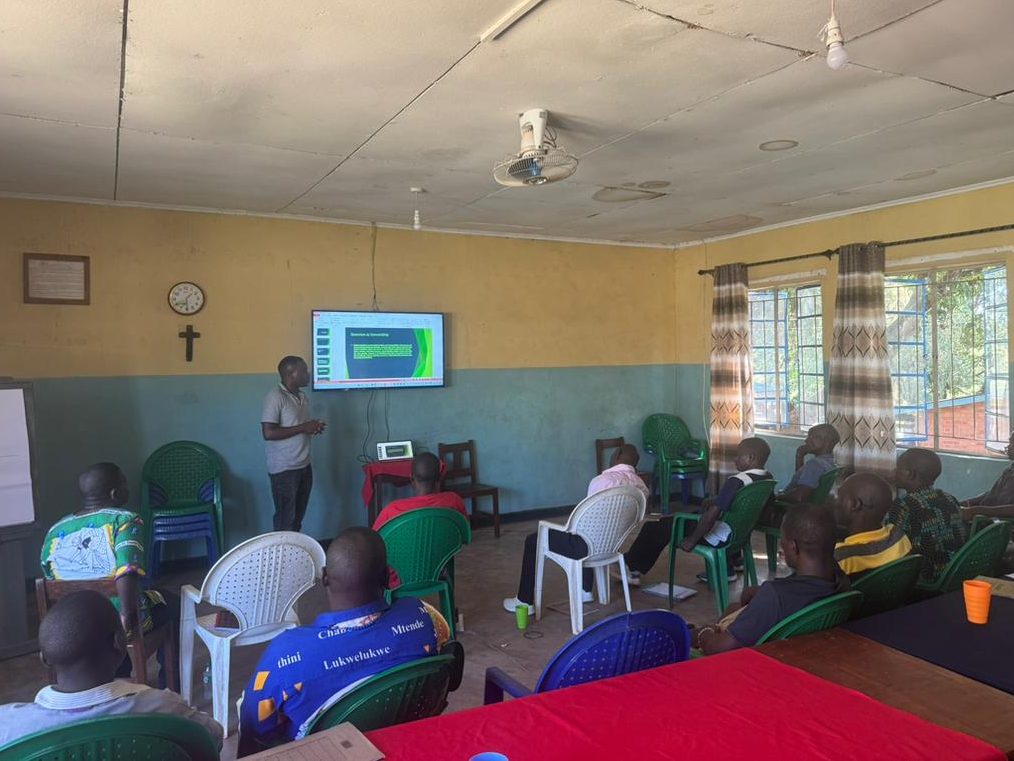
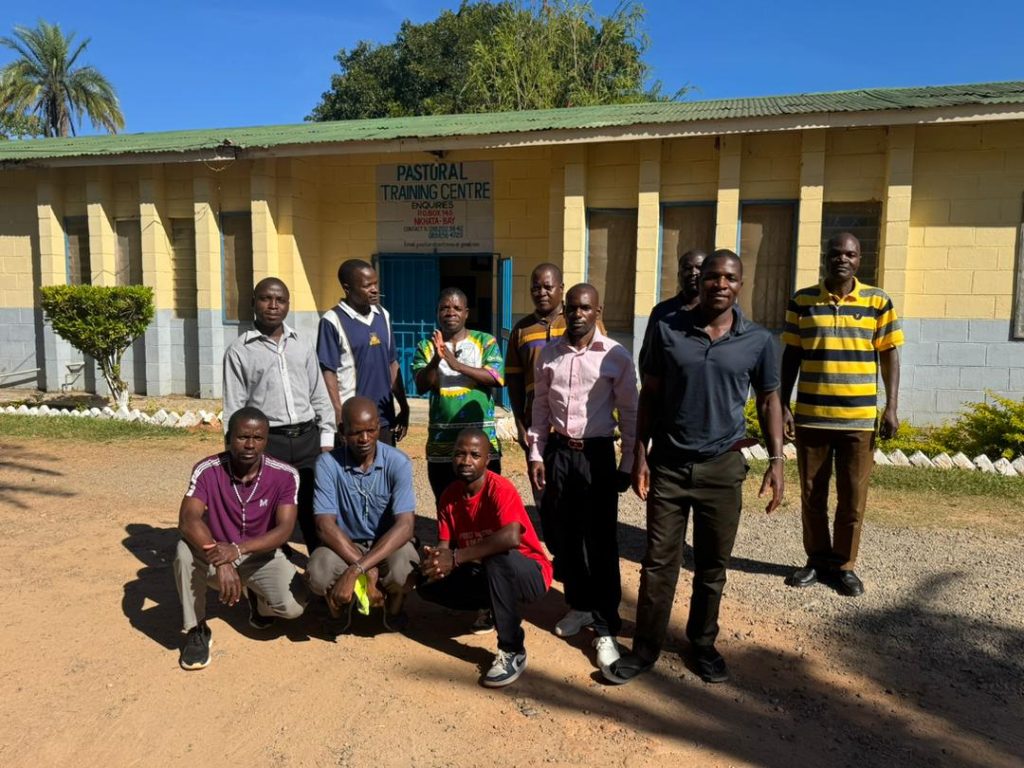
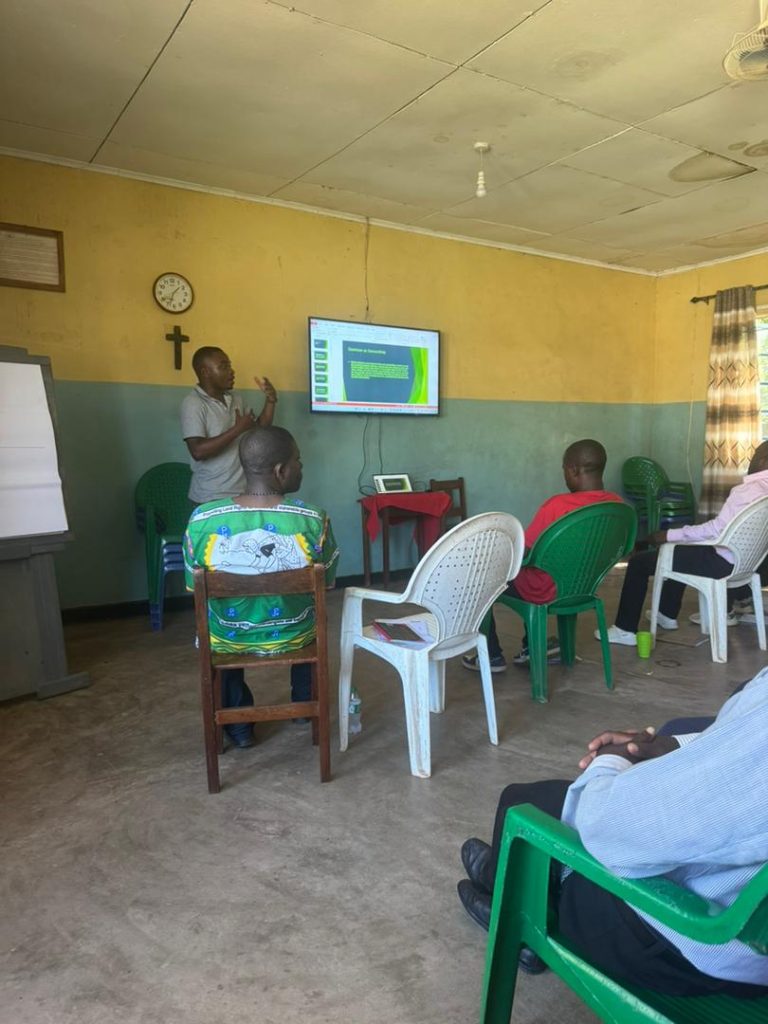
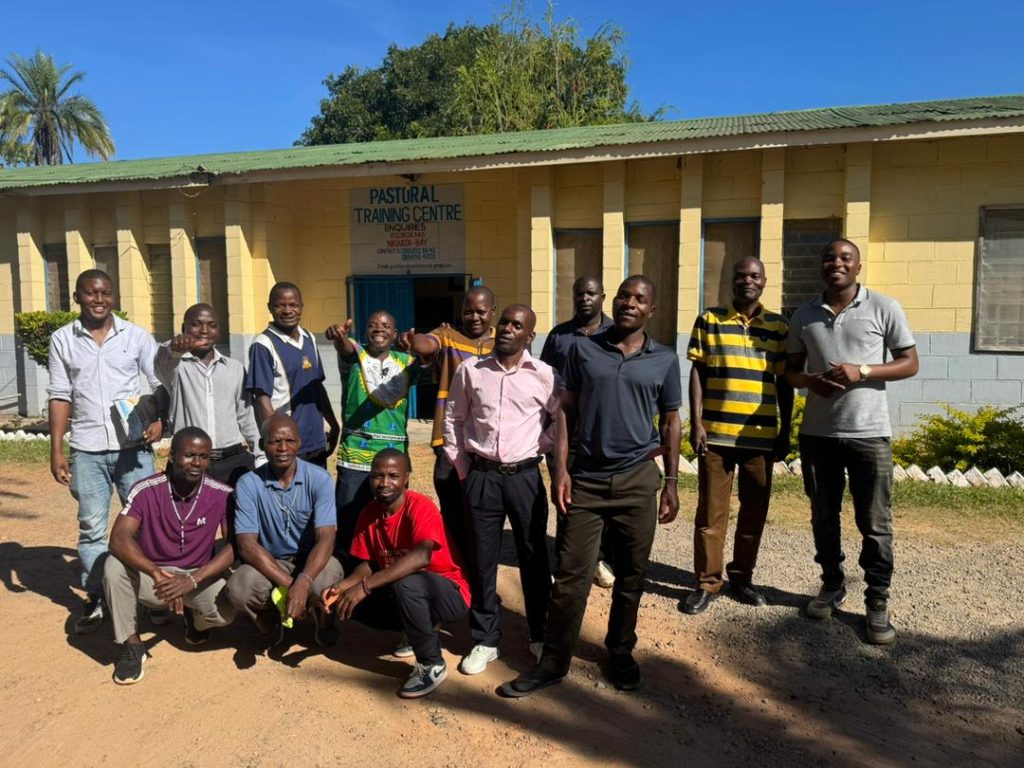
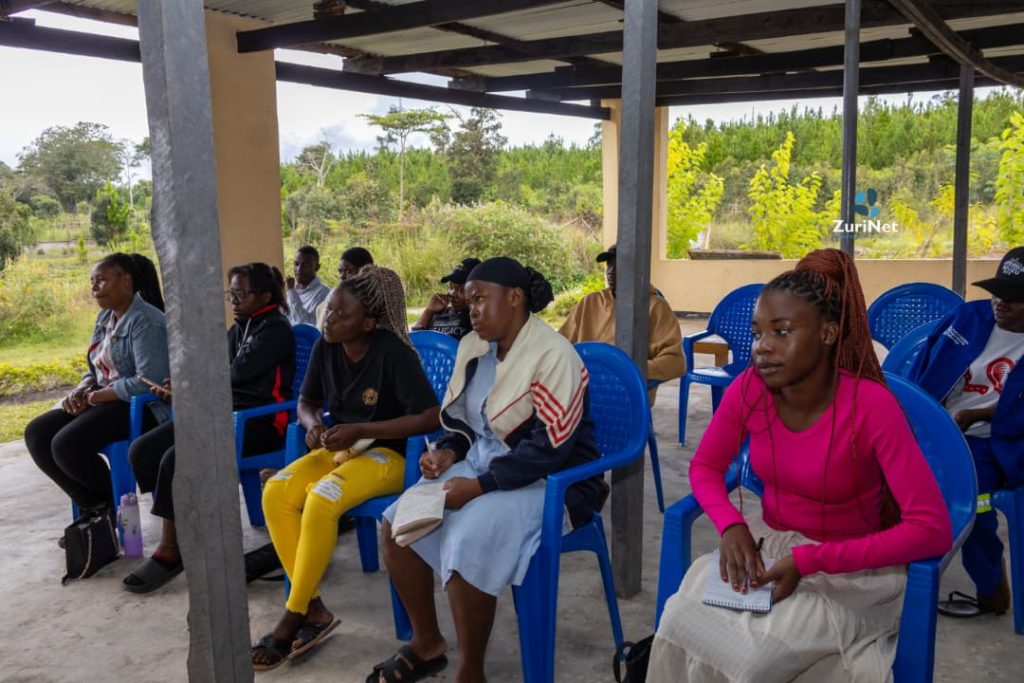
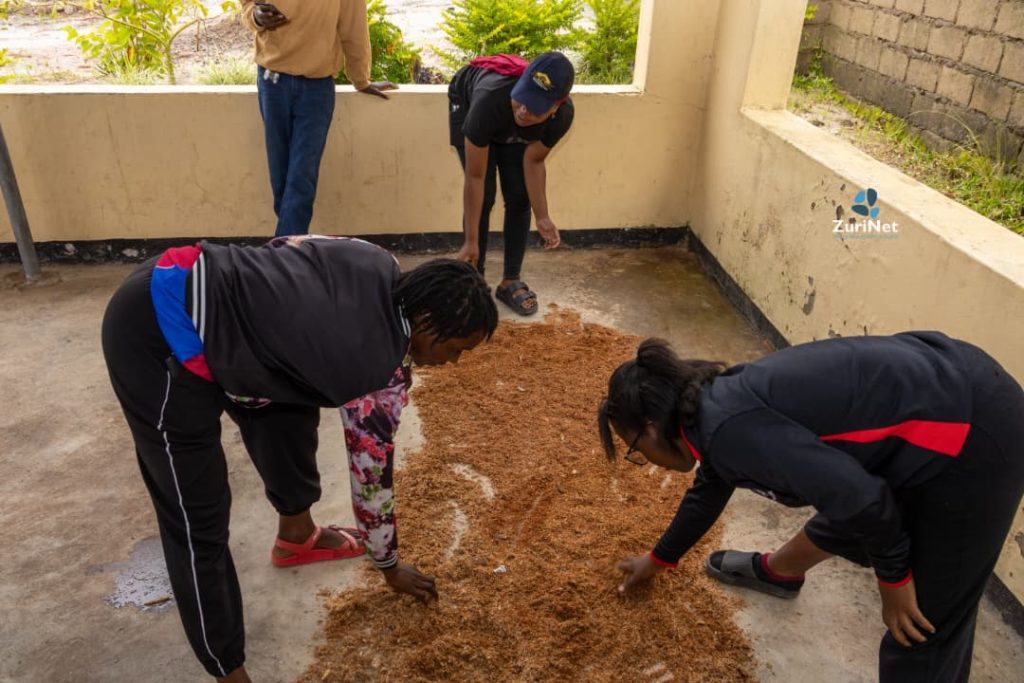
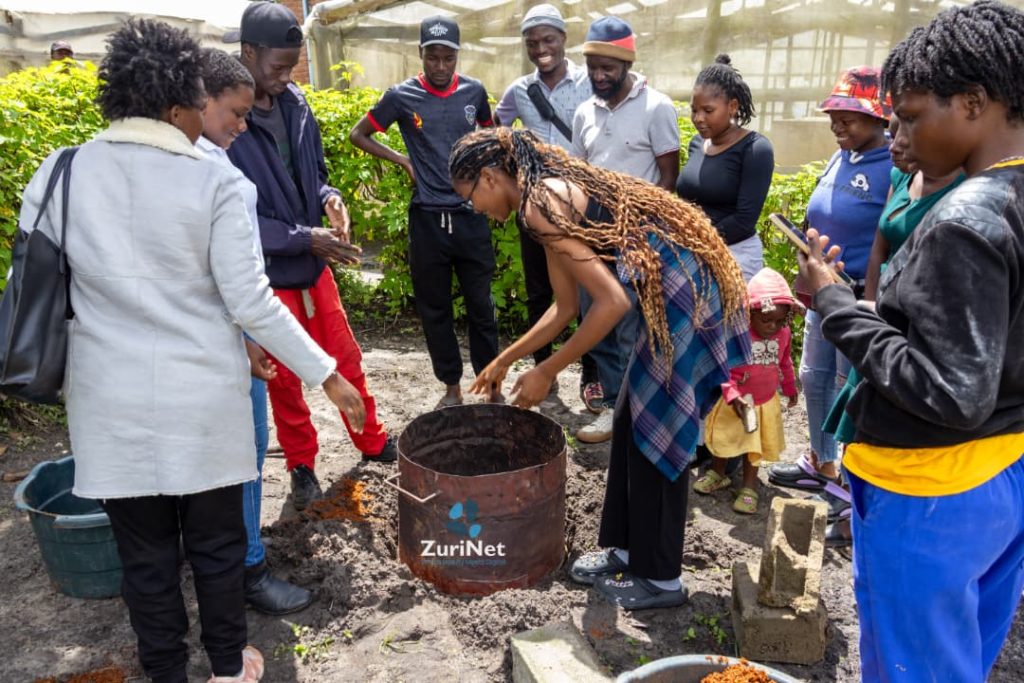
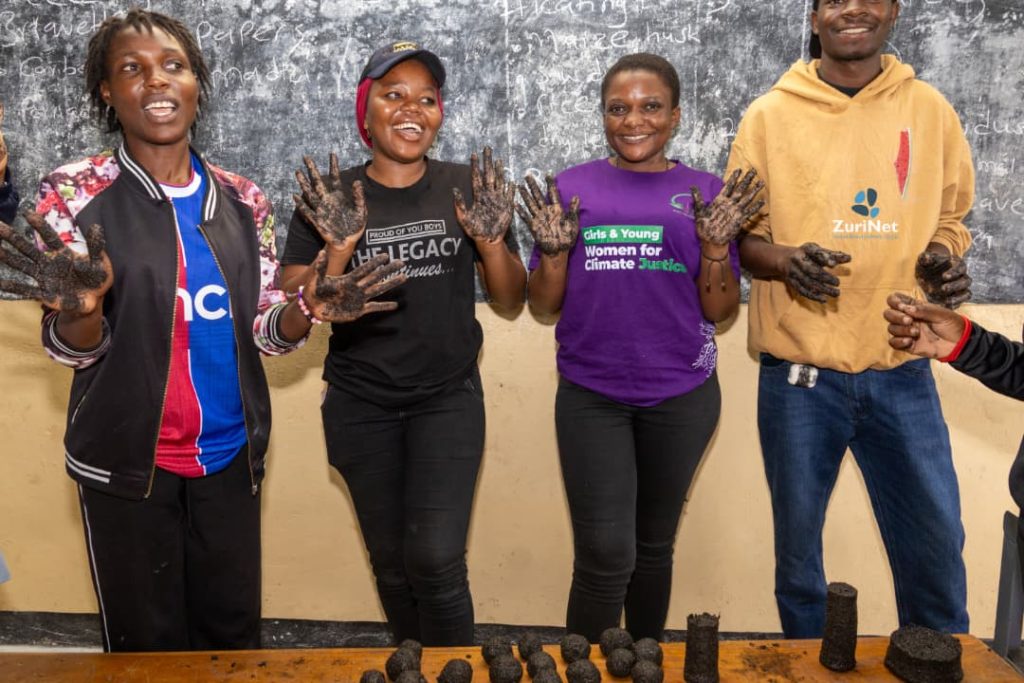
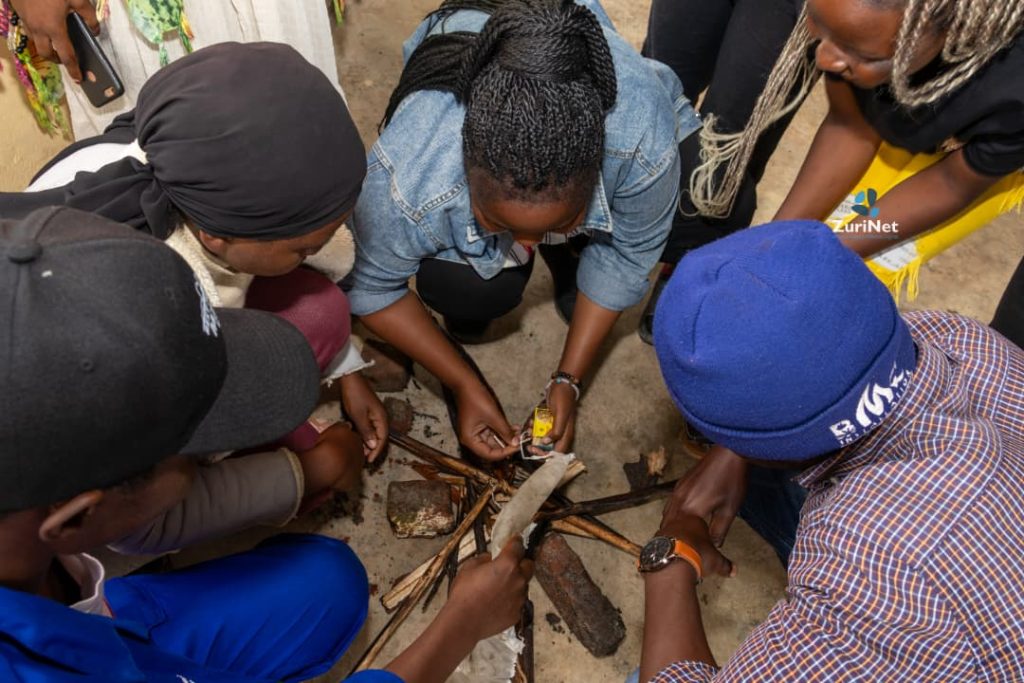
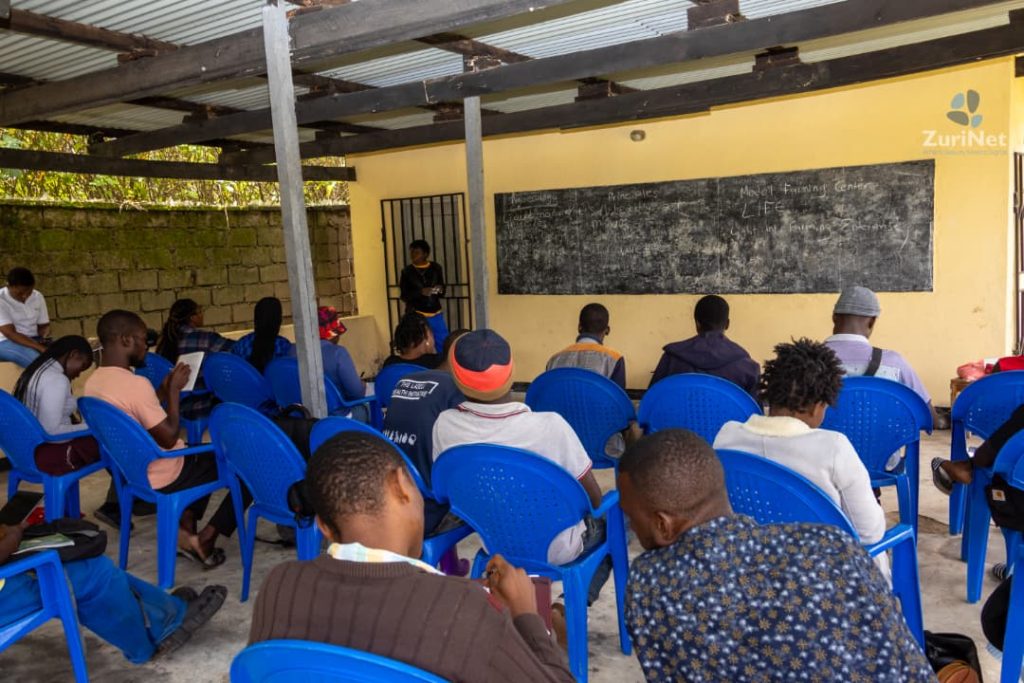
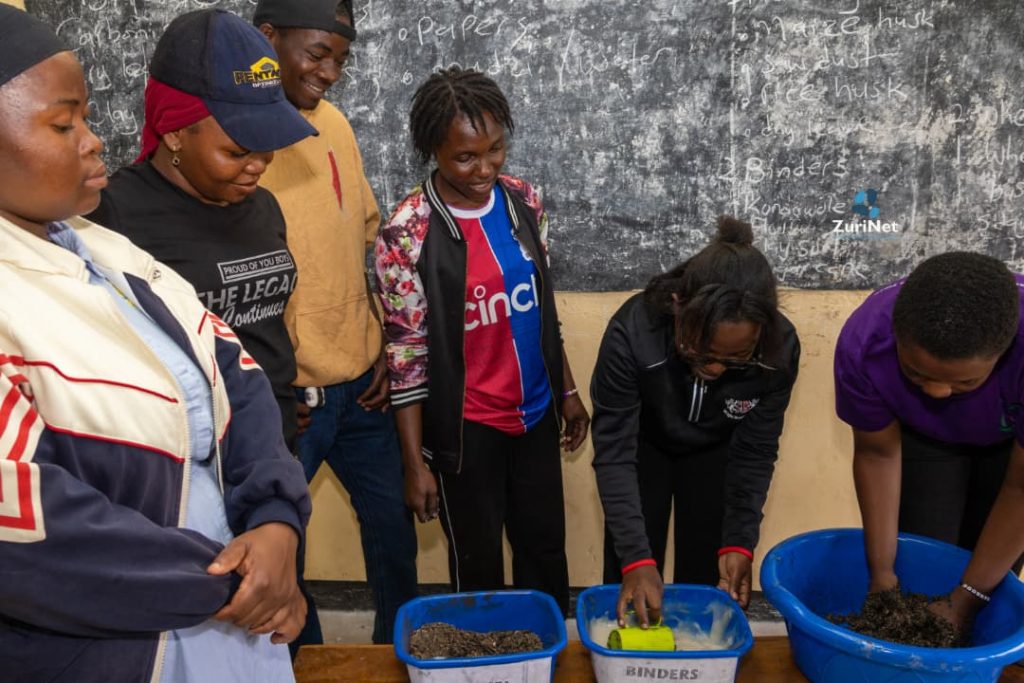
- Training Advocates: A core focus is education, with the Centre training youth from local townships and universities in organic farming, forest management, and ecology. New facilities, including a hostel and an ecology hall, are built to expand these programs as Training of Trainers (TOT) hubs.
- Planting for the Future: The diocese holds an annual tree planting season. In 2025-2026 alone, more than 11,000 trees were planted across various parishes, part of a sustained effort to restore the land for future generations.
- Gaining Recognition: This work has been internationally recognized. A lot of benefactors are international who believe in this dream and work.
- Integrating Faith:
A deep spiritual connection underpins all the environmental work of Mzuzu Diocese. This foundation was laid by the Emeritus Bishop John Ryan, who chose his motto, “Everything except sin is sacred,” based directly on the teaching of Laudato Si’. This powerful theology reminds us that care for creation is not an add-on to faith, but is integral to it because every creature, every forest, every drop of water reflects the face of God.
Today, Bishop Yohane Suzgo Nyirenda, the current shepherd of Mzuzu Diocese, has taken this spiritual foundation and given it a quiet, radical direction. He often urges his priests, religious, and lay faithful to “go and work in silence.” These words are not a call to inaction, but to a deeper kind of action-one done without seeking applause, without noise, without self-promotion. In a world that celebrates loud declarations, Bishop Yohane’s instruction echoes the hidden growth of a seed in the soil, or the quiet work of roots drawing water to sustain a forest.
This “silent work” is exactly what the Integrated Ecology Centre (IEC) at Katoto Forest has been doing: planting trees year after year, building fences without fanfare, training young people in organic farming far from the spotlight. It is the patient, humble labour of protecting our common home because it is sacred not because someone is watching. In this way, Bishop Yohane’s “go and work in silence” becomes the living translation of Bishop Ryan’s “everything except sin is sacred.” One gives the vision; the other gives the method.
Why we celebrate
This year, Laudato Si’ Week is celebrated from May 17 to 24. Its theme, “From Hope to Action”, invites us to understand that hope is not passive but is made real through daily choices, community life, and concrete acts of care. The Diocese of Mzuzu shows us the way.
Celebrating the diocese’s work is important for three key reasons:
- It embodies the ‘Hope to Action’ call: The diocese has moved beyond discussion, showing that the Church can be a powerful agent of environmental change.
- It demonstrates ‘Integral Ecology’: The diocese’s work tackles interconnected social, economic, and environmental issues, from poverty alleviation through beekeeping and savings groups to the moral imperative of stewardship.
- It inspires a renewed mission: Their achievements serve as a blueprint for other faith communities, proving that local, faith-based action can make a tangible difference.
The call resonates worldwide
“From the heart of Malawi to the global community, the message is clear: caring for our common home is a sacred duty, and through concrete action, we can build a more just and sustainable future for all.” Mr. Daniel
This year’s global celebration is particularly significant. In his message launching Laudato Si’ Week, Pope Leo XIV emphasized the link between peace and ecology, noting that conflicts around the world have severely slowed environmental progress. He called on everyone to renew their commitment to “integral ecology,” an approach that connects care for the environment with respect for human dignity and the pursuit of peace. This resonates deeply with the work in Mzuzu Diocese, where caring for the forest is also about caring for the community’s future.
Conclusion: celebrating a living, breathing reality
This Laudato Si’ Week, as the global Church celebrates “From Hope to Action,” the Diocese of Mzuzu reminds us that this call is not a distant ideal. Through the Integrated Ecology Centre, their tree-planting campaigns, and educational programs, the diocese is creating a living, breathing reality of what ecological conversion looks like. Their work is a powerful testament to a faith that is alive and actively healing our world. It is a cause for celebration and a model for us all.