Catholic Diocese of Mzuzu

Archives July 2026

Sisters from USA and Indonesia visit the Catholic Diocese of Mzuzu’s Integrated Ecology Centre, see hope for Katoto Forest

“We are inspired by your efforts here,” one of the Sisters shared. “This is exactly the kind of integrated ecology work the Church is calling for.”

Members of the Sisters of the Earth congregation had high praise for the work happening at the Integrated Ecology Centre in Katoto after a visit this week.

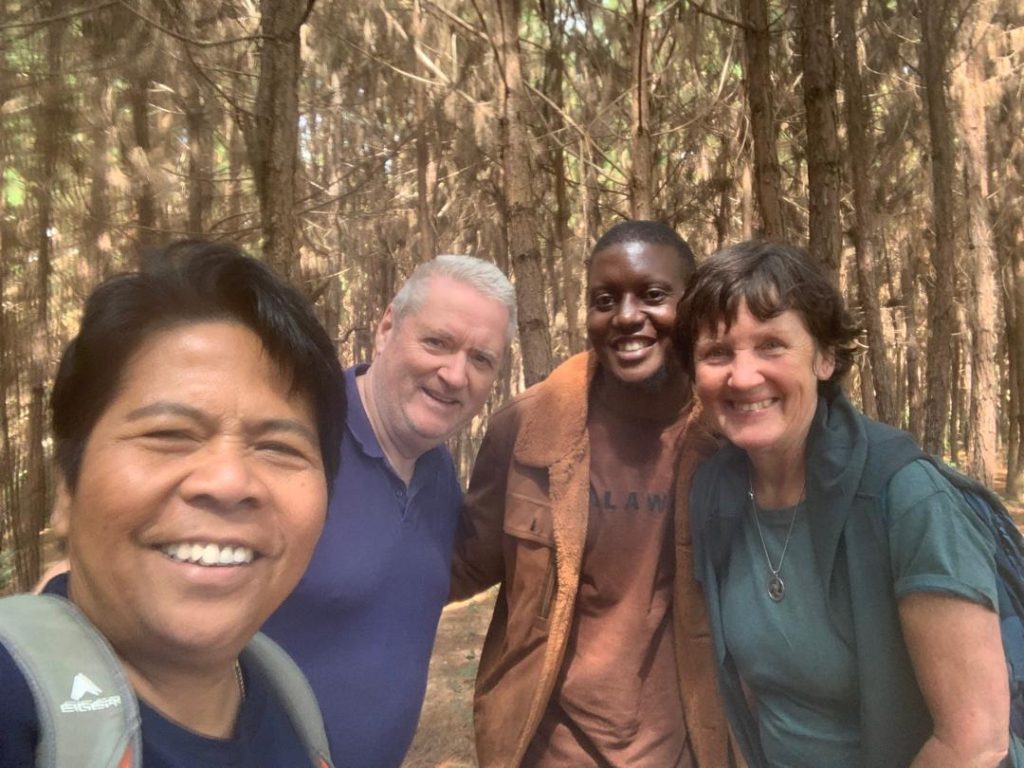
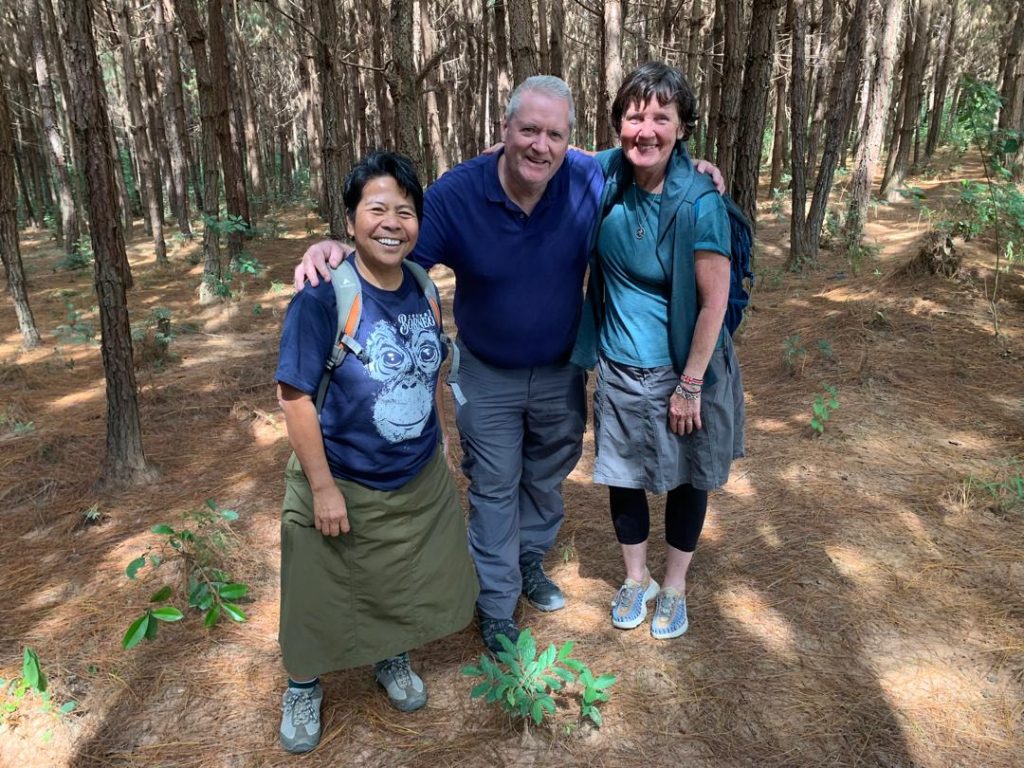
Sister Gail from the USA and Sister Kris from Indonesia, now living in Kenya both members of the congregation founded by Passionist Priest Fr. Thomas Berry, spent the Wednesday morning touring the Centre’s key projects. Fr. Thomas Berry was a leading Church voice on Care of the Earth, and the Sisters said they were encouraged to see that teaching put into action in Mzuzu.

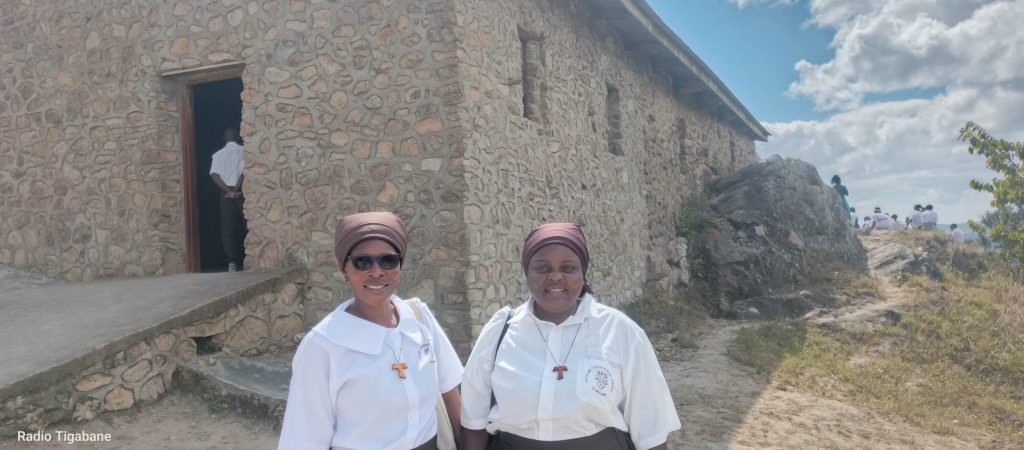
In the picture: Sr. Kris, Fr. Leo, Mr. Crief and Sr Gail

What they saw

The Sisters began their tour from the main entrance where the names of benefactors are displayed, before touring the hostel facilities. They then walked the grounds, passing the Jobidon House, walked through the ecology education walk and stopped at the Centre office for a talk.

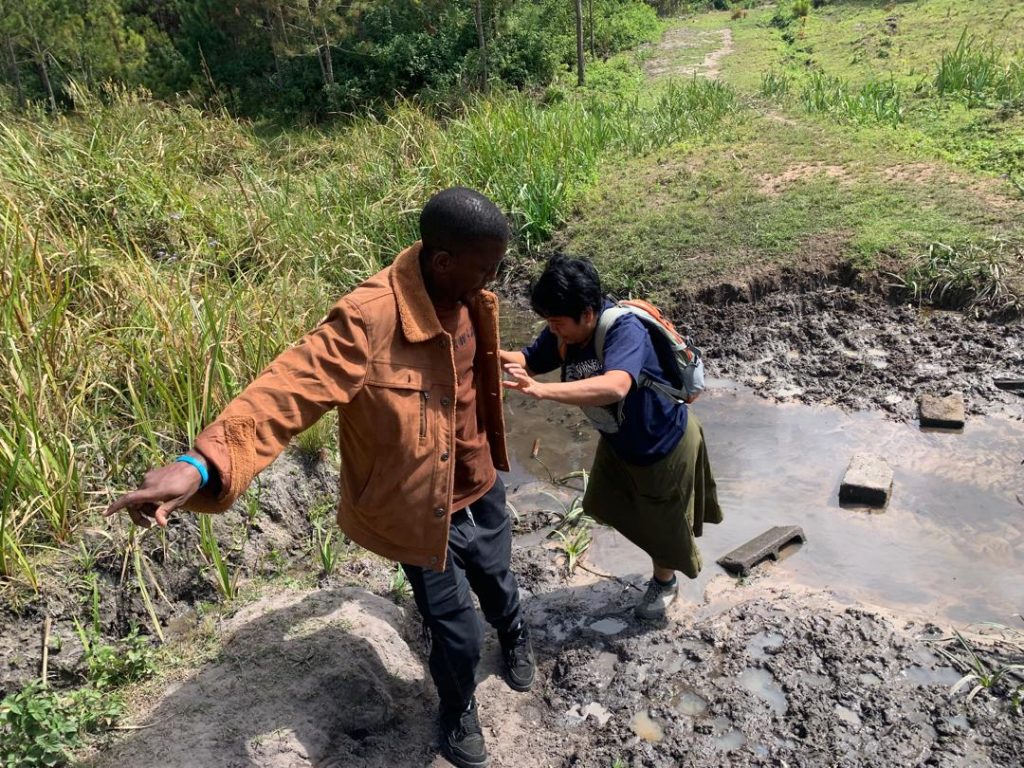
At the Model Farming Centre they observed organic farming methods and sustainable agriculture projects already underway. The visit continued to the vast forest area adjacent to the Centre — the same land earmarked for future schools and walked through then bigger pine forest. The Sisters also saw the 4.5KM boundary wall and ongoing tree-planting efforts. The tour ended with a stop at the Sports Centre before lunch.

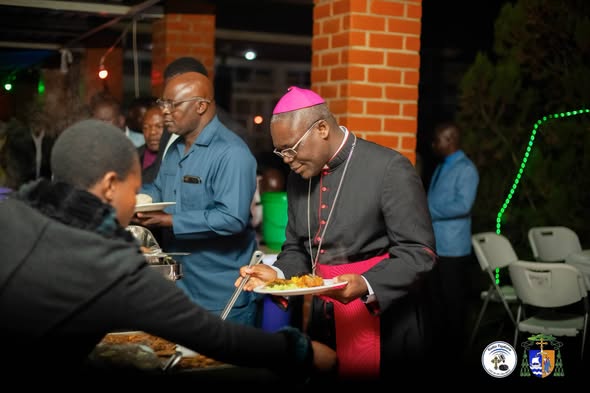
The Sisters were hosted for lunch by Bishop Yohane Nyirendad and received a gift of Diocesan cloth, which they greatly appreciated.

Their recommendations for Katoto Forest

After walking the forest and proposed school site, Sisters Gail and Kris shared several recommendations:

1. Strengthen reforestation: Expand tree planting with both indigenous and fruit trees to restore biodiversity and provide food security for the community.

2. Environmental education hub: Use the forest and model farm as a learning site for schools, youth groups, and parishes to teach Laudato Si’ and practical care of creation.

3. Community engagement: Involve local communities around Katoto as guardians of the forest through awareness programs and sustainable livelihood projects linked to the farm.

4. Documentation and networking: Record the Centre’s progress with photos and stories to share with international partners working on ecology and faith.

Commitment to support

The Sisters said they see “great potential” in what the Centre is doing to implement Church teaching on care of the environment. They promised to assist Mr. Crief who is the coordinator of the Laudato Si Project with networking and educational resources from their global contacts.

They also noted they will reflect further on the visit and may seek to develop the relationship with Mzuzu Diocese more in the future.

“We are inspired by your efforts here,” one of the Sisters shared. “This is exactly the kind of integrated ecology work the Church is calling for.”

The Integrated Ecology Centre continues to welcome visitors and partners as it works to combine environmental restoration, education, and community development in Katoto.

Empowering young people through self-Awareness: SELL Programme Step-Down Workshops in Lusangazi and Mzimba

Reported by: Isaac Thindwa  (Team Leader, Youth Development Unit)   

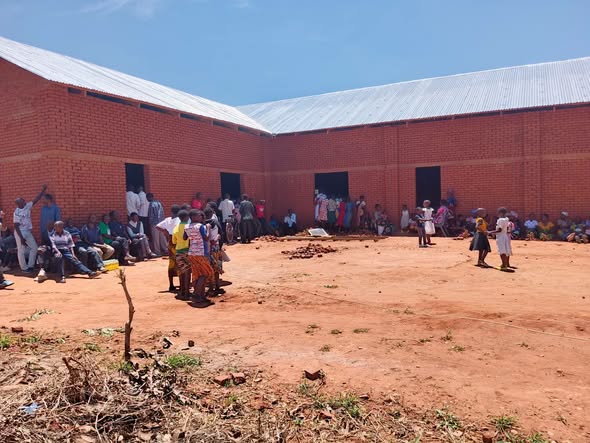
On 27 June 2026, the SELL Programme, in partnership with Ungweru Organization, successfully conducted Self-Awareness Unit step-down workshops in Lusangazi at St. Padre-Pio Parish and in Mzimba Boma at Utatu-Utuwa Parish. The two sessions brought together 34 young people and created a meaningful space for reflection, sharing, and learning.

These workshops were part of the wider rollout of the Sharing Education and Learning for Life (SELL) Programme across Mzuzu Diocese. Their purpose was simple but important: to help young people better understand themselves, strengthen their relationships, and grow in confidence as they make life choices.

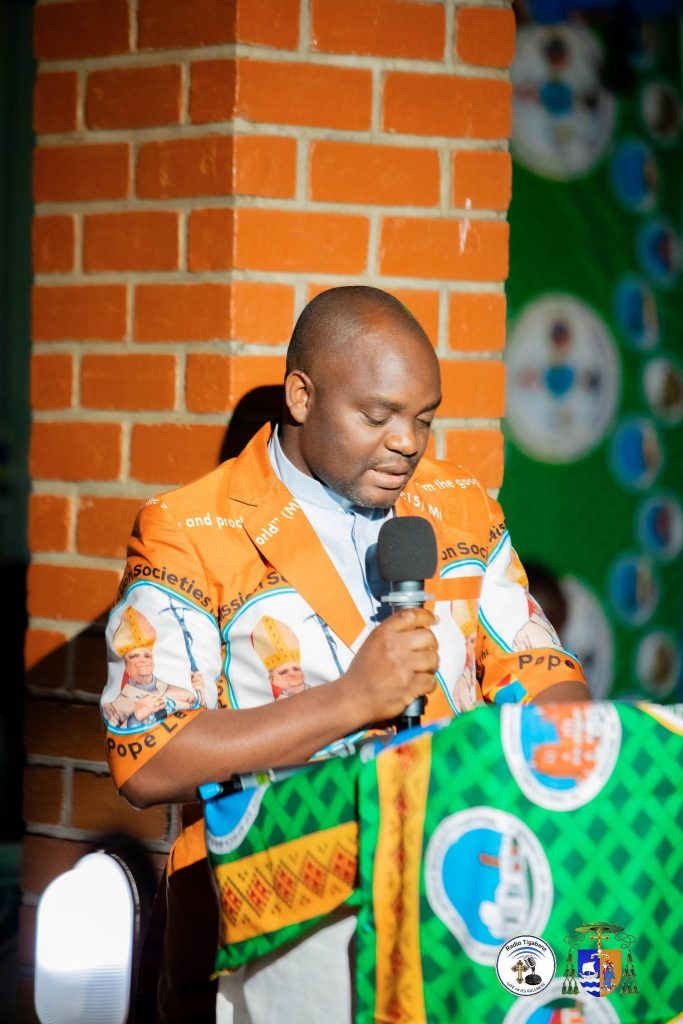
Moments of prayer and reflection remain an important part of every gathering

Why self-awareness matters

Self-awareness is one of the most valuable life skills a young person can develop. It helps people understand their emotions, recognize their strengths, and think carefully about how their choices affect others. In a world where young people face pressure from peers, school, family, and social media, this kind of learning is especially relevant.

The SELL workshops gave participants a chance to reflect on their identities and personal journeys. Through guided discussion and practical exercises, they explored how past experiences shape present behaviour and future goals. This approach encouraged openness, honesty, and trust among the participants.

What happened during the workshops

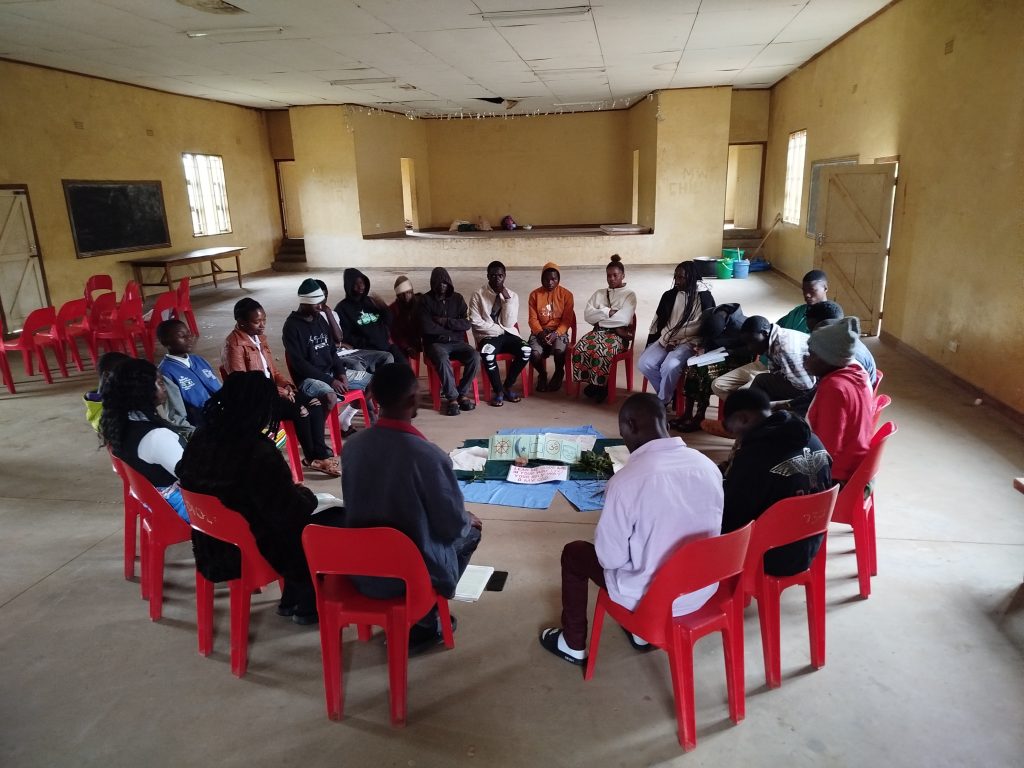
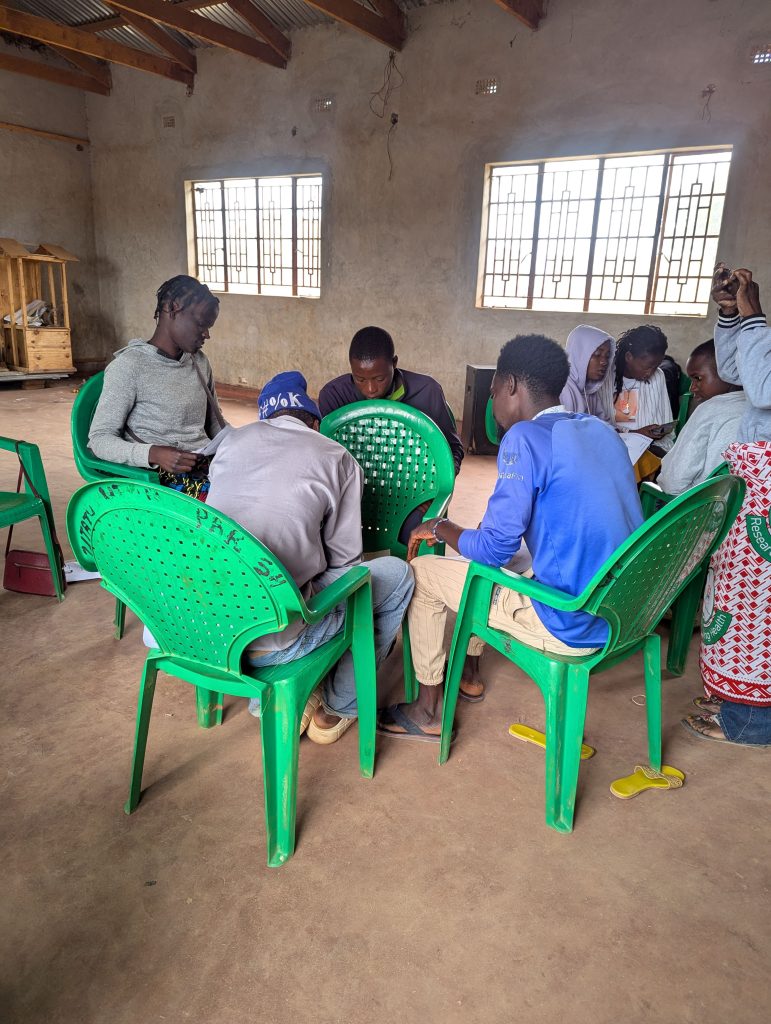
The Self-Awareness Unit was delivered using participatory methods that kept the sessions lively and engaging. Participants took part in personal reflection, group discussion, storytelling, role plays, and other activities that made the lessons practical and memorable.

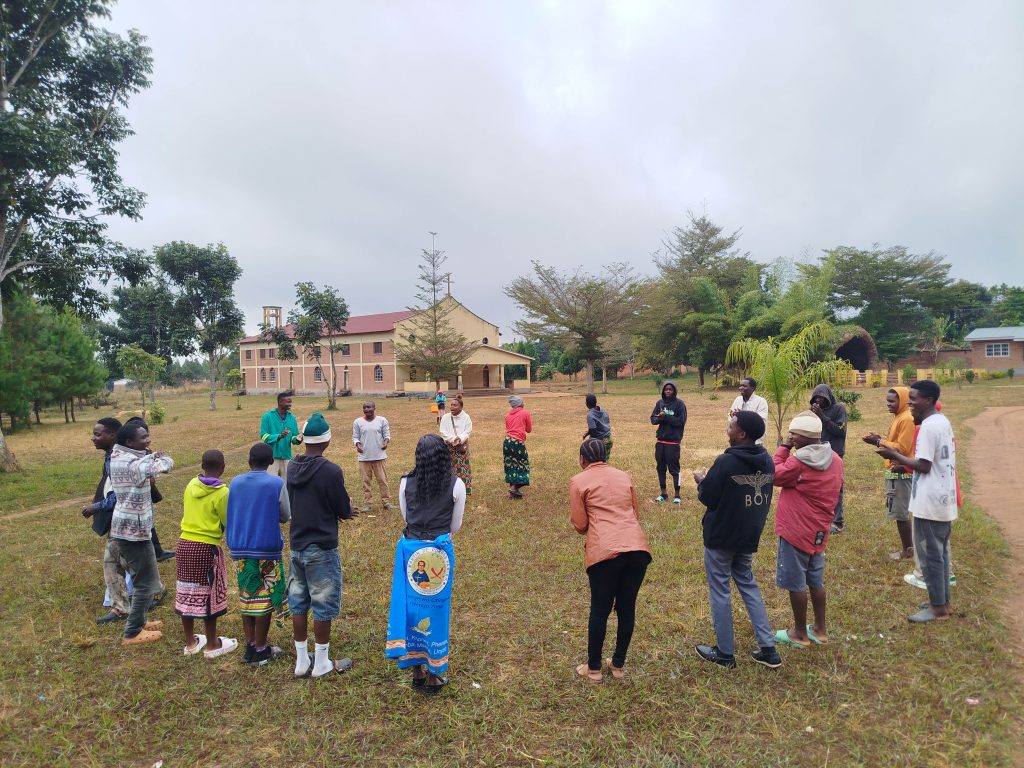
Members find time to interact with other to enhance their social capital

Key topics included identity, emotional intelligence, communication, personal history, behaviour, sexuality, and responsible decision-making. One of the most important learning tools used in the sessions was Johari’s Window, which helped participants understand the value of self-disclosure, feedback, and trust in building healthy relationships.

The workshops were designed not only to teach but also to encourage young people to speak, listen, and learn from each other. This created a safe and supportive environment where participants felt free to share their experiences and ask questions.

Participation across two sites

A total of 34 young people attended the two workshops. The Lusangazi session had 24 participants and was facilitated by Thom, Jonathan, Grace, Monalisa, and Paul. The Mzimba Boma session had 10 participants and was led by Isaac Maseko and Yolanda Lukhere.

At Lusangazi, the teamwork among facilitators stood out clearly. Thom and Jonathan were supported by Grace, Monalisa, and Paul, who travelled from neighbouring communities to strengthen the facilitation team. Their collaboration showed the growing spirit of volunteerism within the SELL Programme and contributed greatly to the success of the workshop.

At Mzimba Boma, the smaller group size did not limit engagement. Participants were highly active and responded openly throughout the session, showing strong interest in the topics being discussed. This made the workshop highly interactive and productive.

Group work to explore the knowledge in each other

Impact on participants

The workshops had a strong positive effect on the young people who took part. By the end of the sessions, participants had a better understanding of self-awareness and why it matters in daily life. They learned how to recognize their strengths, manage their emotions, improve their communication, and make more responsible decisions.

The sessions also encouraged mutual respect and peer support. Many participants appreciated the opportunity to reflect on their personal journeys and said the lessons would help them in their families, schools, churches, and communities. This kind of learning has long-term value because it helps young people build confidence and become more thoughtful in their relationships.

Challenges faced

Although the workshops were successfully completed, a few logistical challenges were encountered. The main concerns were transport arrangements and meals, especially for facilitators and volunteers who travelled from distant areas to support the activities.

These challenges did not stop the workshops from taking place, but they highlighted an important lesson: good planning and adequate resource mobilization are essential when working with volunteers. The experience also showed the value of bringing together local and neighbouring community volunteers, as this strengthened the facilitation team and enriched the learning experience.

Lessons for future sessions

The workshops pointed to several important lessons for future implementation. First, transport and meals for volunteers should be arranged in advance to ensure smoother delivery and better support for those giving their time and skills. Second, continued investment in volunteer capacity building will help improve the quality and reach of the programme.

Third, the programme should continue organizing follow-up mentoring sessions so that young people can keep building on what they learned. Learning becomes more effective when it is reinforced over time and connected to everyday life.

Appreciation and next steps

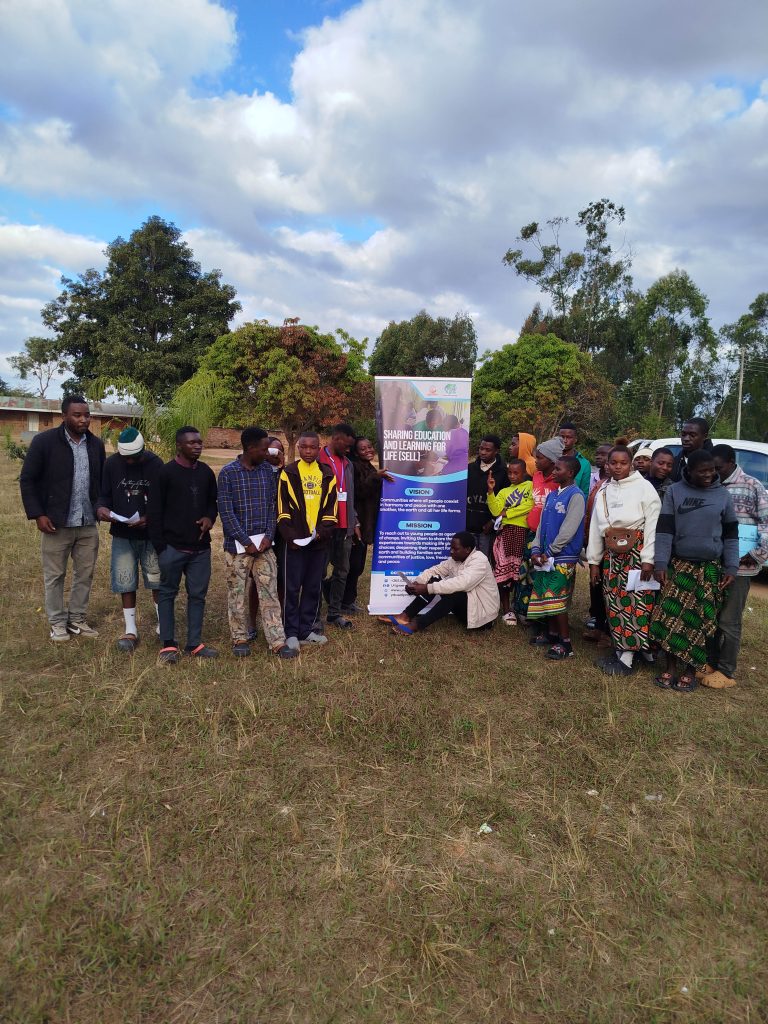
Self-awarenes, confidence and responsibility gained.

The SELL Programme expressed sincere appreciation to Thom, Jonathan, Grace, Monalisa, Paul, Isaac, and Yolanda for their dedication and service. Appreciation also goes to the participants, community leaders, and local members whose cooperation helped make the workshops a success.

The overall achievement of these step-down workshops shows that the SELL Programme continues to make a real difference in the lives of young people. By helping them grow in self-awareness, confidence, and responsibility, the programme is contributing to stronger families, healthier relationships, and more resilient communities.